
How Can I Tell the Age of a Tree?
Determining the age of a tree involves examining physical characteristics like growth rings, trunk diameter, or branch whorls to estimate its lifespan. Knowing the age of your trees helps you understand their health needs and potential risks they might pose to your property. Elliott Tree provides professional guidance to help homeowners preserve their landscape through specialized maintenance and assessments. In this blog, we will discuss three easy ways to estimate tree age, and how Elliott Tree can help with our tree service options in Whitman, MA.
What is the most accurate way to determine tree age?
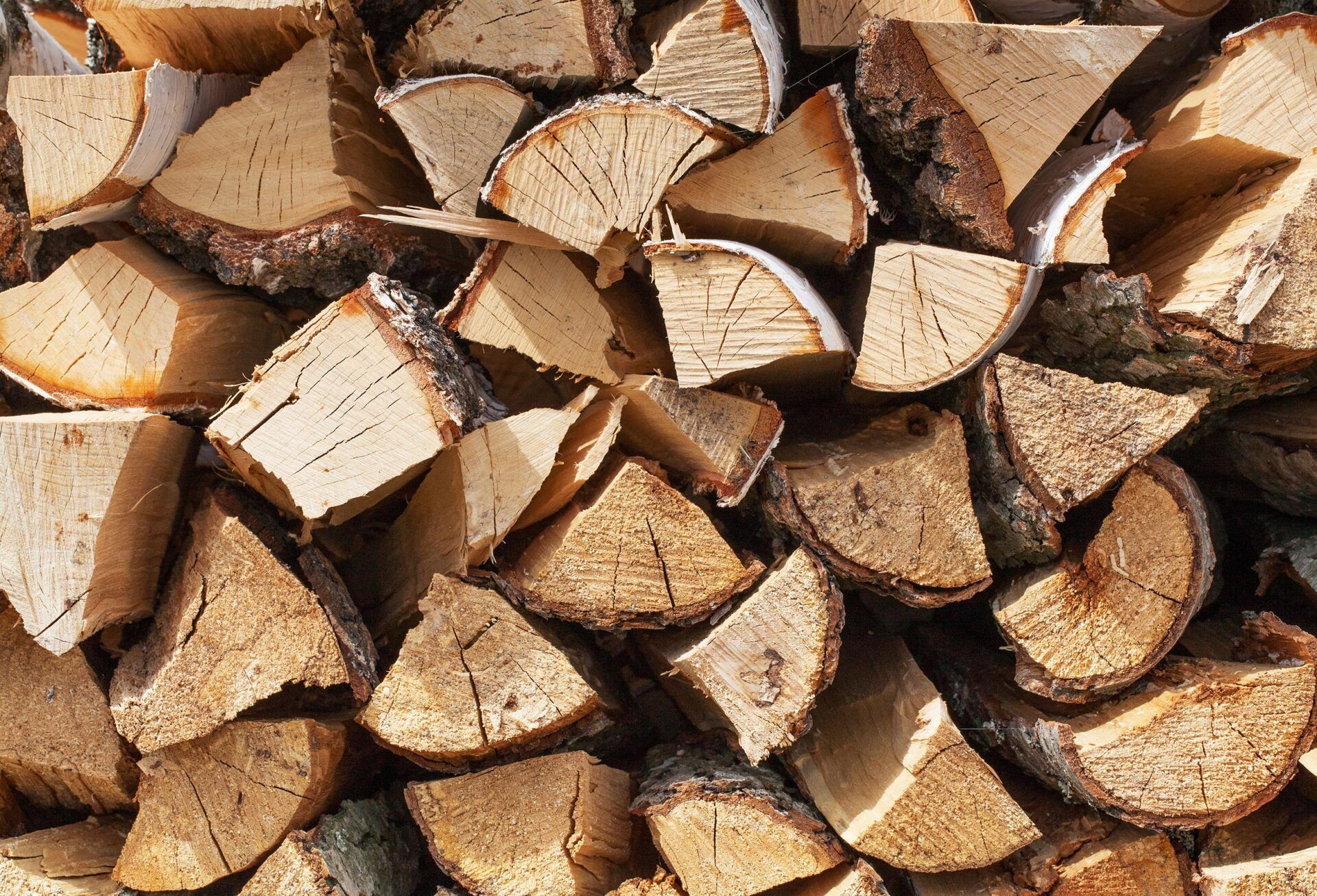
The most accurate method to determine tree age is by counting the growth rings visible on a cut stump or core sample. Each ring represents one year of growth and reveals information about weather conditions during that specific season. This technique is often used after a removal or on fallen logs found in the yard. While precise, this method is invasive and usually reserved for trees that are already down.
- Light rings indicate rapid growth that occurs during the wet spring season.
- Dark rings show slower growth that happens during the dry summer and fall months.
How can I estimate tree age without cutting it down?
You can estimate tree age without cutting it down by measuring the circumference of the trunk and doing a simple calculation. Wrap a measuring tape around the trunk at chest height to find the diameter and multiply it by the growth factor of the species. This approach requires identifying the specific type of tree you have, since oaks grow at different rates than maples. It offers a safe and non-destructive way to gauge maturity for your tree care records.
How to calculate the diameter
Measure the circumference of the tree about four feet off the ground using a flexible tape measure. Divide that number by 3.14 to get the diameter width of the trunk. Multiply this final number by the species growth factor to reveal the approximate age.
Can branch growth help determine the age of younger trees?
Branch growth helps determine the age of younger trees, especially conifers, by counting the rows of branches called whorls. Many evergreen species produce a new circle of branches around the trunk for every year of life. You simply count the number of tiers from the bottom up to the top to get a rough estimate. This visual check is excellent for newer plantings where the trunk is not yet thick enough for diameter math.
How does pruning extend the life of an aging tree?
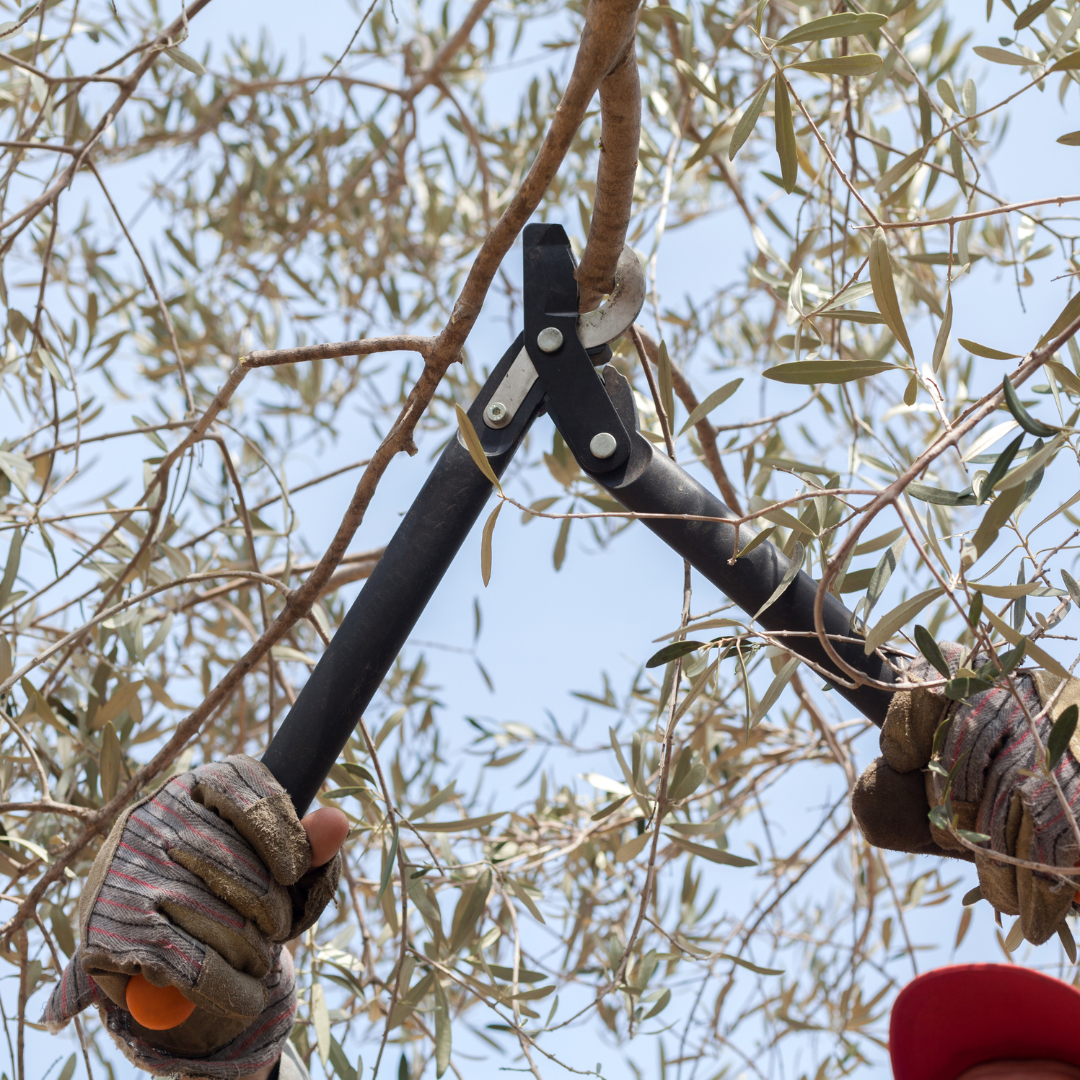
Pruning extends the life of an aging tree by removing dead weight and encouraging new growth in healthy areas. Older trees often struggle to transport nutrients to every limb, which leads to potential safety hazards during storms. Our team identifies weak points and trims them back to reduce stress on the main structure.
- Crown cleaning removes dead or diseased branches to improve air circulation.
- Structural pruning balances the weight of the canopy to prevent splitting.
Regular maintenance ensures your historic landscape features remain safe and vibrant for future generations to enjoy.
Get a Free Quote on Tree Service from Elliott Tree in Whitman
Elliott Tree offers deep expertise in diagnosing tree health and maintaining the beauty of your outdoor space. We provide comprehensive solutions that keep your landscape thriving while addressing the unique challenges of the Whitman area. Our crew handles everything from age assessments to complex removals with safety and precision. To learn more about tree care and get started today, contact Elliott Tree online or by phone.
Share On: